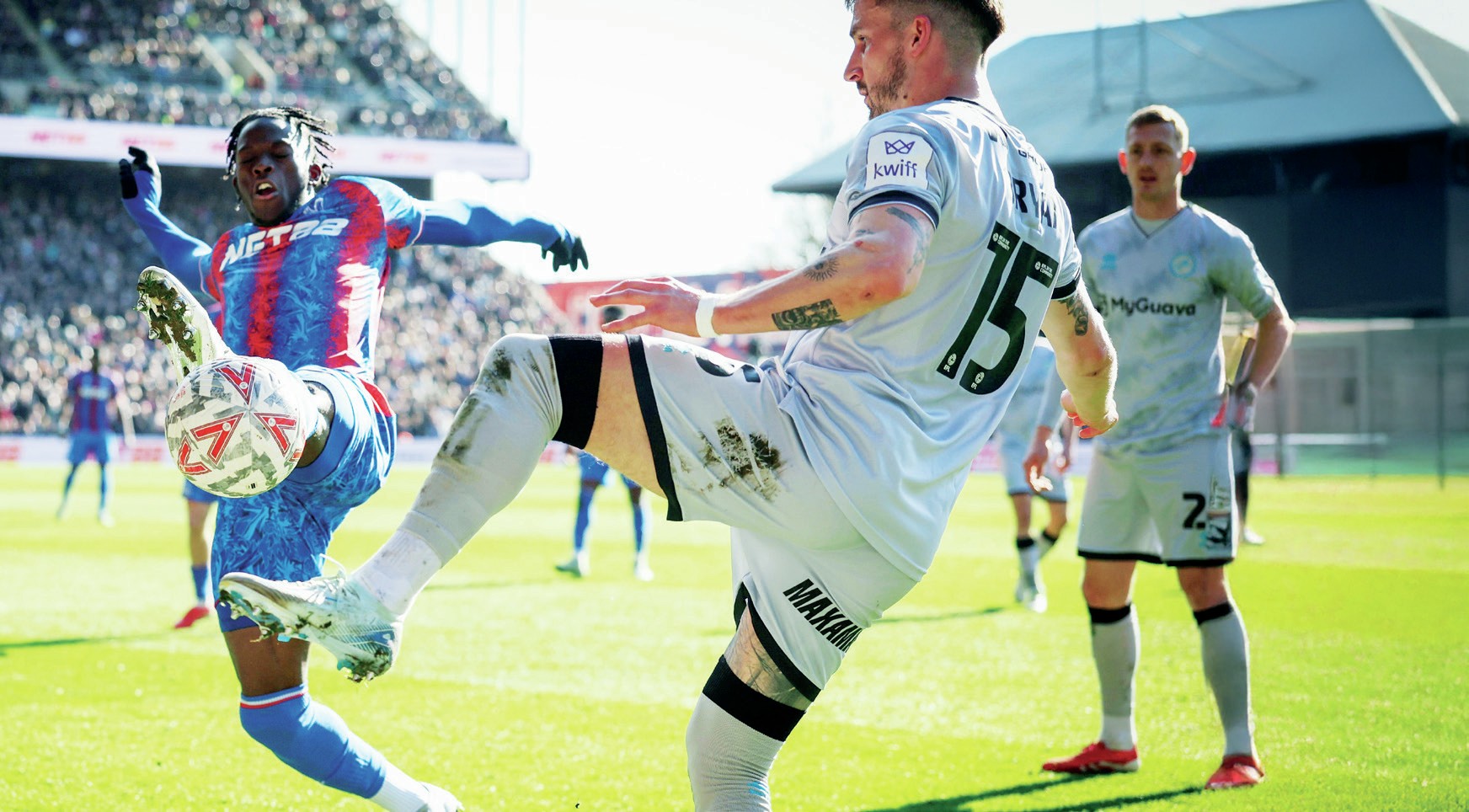
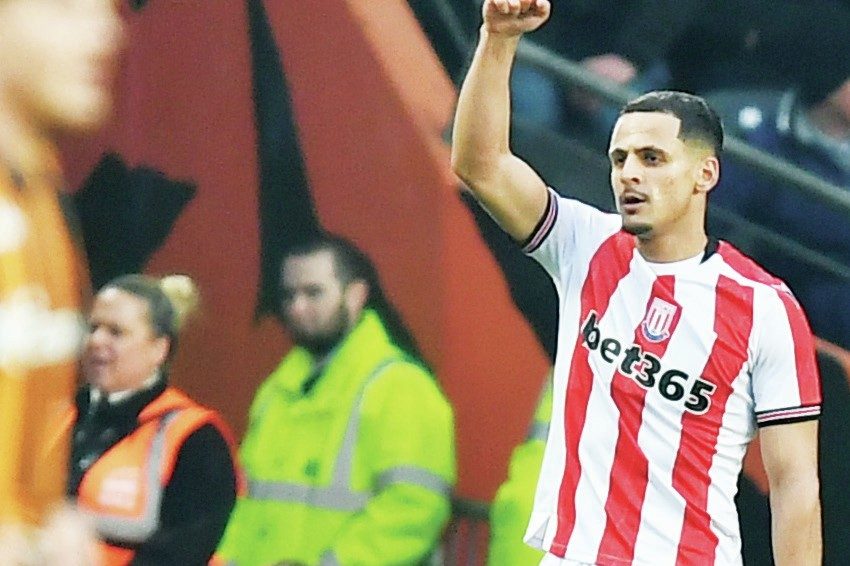
Eight of the 72 EFL clubs carry a gambling brand on the front of their shirt this season. In League Two the figure is zero.
Seven of the eight are in the Championship — Birmingham, Middlesbrough, QPR, Sheffield United, Stoke, West Ham and Wolves — with one more in League One. Three of those seven deals belong to the same operator.
That is the ban everyone has spent the summer arguing about, and it is not the ban the House of Lords proposed on 17 September.
The ban being argued about is not the one on the table
The Liaison Committee’s wording runs considerably wider than the front of a shirt, and the precision matters a good deal more than the headline it generated.
Gambling operators, it recommended, “should no longer be allowed to advertise on the shirts of sports teams or any other part of their kit and that there should be no gambling advertising in or near any sports grounds or sports venues, including sports programmes”.
The recommendation extends explicitly to training kit, and the committee warned against what it called alibi branding as a route around the restriction.
Under that scope the count changes completely. Around nineteen of the 24 Championship clubs carry some gambling relationship — sleeve, shorts, training kit or official betting partner — against seven on the front of the shirt.
Every ground with a betting board on its hoardings falls inside it, and so does the matchday programme, which makes this something other than a shirt story.
The committee’s reason for going wide is stated plainly: considerable evidence, it says, that voluntary measures have not been effective in decreasing overall exposure to gambling advertising in sport.
There is an irony in that worth spelling out. The Premier League’s voluntary ban took effect this season and covers the front of the shirt only, leaving sleeves and pitchside untouched. It is precisely the arrangement the Lords cite as proof that voluntary measures do not work.
The money that reaches League Two is not on a shirt
Sky Bet’s title sponsorship is the only gambling money that reaches all 72 clubs, and it is worth £73m over five years to 2029. That represents a 50 per cent uplift on the previous agreement and the largest title sponsorship in British sport, distributed centrally at roughly £14.6m a year.
A League Two club with a local builder on its shirt has no gambling sponsor to lose. It loses anyway, because the central distribution is where its exposure has always sat.
The context makes that serious rather than academic, because Championship commercial revenue stood at £273m in 2024/25 and fell 10 per cent — £29m — in a single year.
That fall is twice the entire annual title fee, which means the commercial base is already eroding faster than the thing everybody is arguing about is worth.
The clubs have no cushion either. Championship pre-tax losses reached £355m last season, up 12 per cent, with two clubs of 24 turning a profit and League One averaging £7.2m of losses apiece.
League Two clubs averaged £2.2m each, which is the scale against which any lost sponsorship has to be read, and it is why a central cut lands harder there than a shirt deal ever could.
One thing cannot be established, and it is worth saying so plainly. Individual EFL sponsorship values are not published, so nobody can give a reliable total for what club-level gambling deals are worth.
That is precisely why the debate runs on assertion. What can be established is the shape: concentrated at the top of the Championship, absent in League Two, and centrally distributed through one title deal.
The EFL has not adopted the Premier League’s ban and has no plans to, which leaves its clubs free to take front-of-shirt money the top flight has given up.
The exemption that will annoy 72 chairmen
The committee wants on-course advertising for betting on horse and greyhound racing exempted from the ban, which is the detail the 72 will find hardest to swallow. Racing keeps its gambling money and football does not, and the economics the committee offers for that are national rather than sporting.
It cites a Sheffield Centre estimate that a 10 per cent reduction in gambling spending could add £1.25bn of gross value added to the economy and create more than 22,000 jobs.
That is an argument about the economy, not about Rochdale. The report carries no assessment of what the measures would cost sport specifically, and the absence is worth reporting in itself.
Nor is anybody making the case for the 72. The Betting and Gaming Council’s response ran to the illegal market rather than to clubs, with Grainne Hurst noting that offshore operators contribute “nothing to racing”. Racing again, and the 72 still waiting for somebody to make the argument on their behalf.
Australia has already run this experiment
Australia is three years ahead on the same question, and the answer it produced is instructive in both directions.
The Murphy Report, titled “You win some, you lose more”, recommended a complete ban on gambling advertising in 2023. The government took three years to respond, publishing on budget day, 13 May 2026.
It rejected the blanket ban and rejected a national regulator, which reads like a win for the codes until you look at what it accepted instead.
Thirty-one recommendations take effect on 1 January 2027, among them a prohibition on wagering advertisements inside sports venues and on the uniforms of players and officials.
That is close to what the Lords want. What is at stake there is measurable: NRL betting deals worth around A$50m a year, AFL deals worth A$30m to A$40m, and a gambling sponsor at every NRL club.
One number should give both sides pause. The Australian government’s own analysis suggests the reforms will cut gambling expenditure by 0.8 per cent, against a harm-reduction package worth A$112.7m over five years.
Readers who want to follow how the Australian codes adapt from January will find the A-League, AFL and NRL covered alongside the betting market itself at AussieSportNews.
The lesson for the EFL is not that a ban will be defeated. It is that the political path runs long, lands short of a blanket ban, and delivers the venue and uniform provisions anyway.
The argument nobody is making
The honest answer to the question is unglamorous. For 64 of the 72, a front-of-shirt ban costs nothing on the shirt and something material through the centre.
For the seven or eight at the top of the Championship it costs a principal partner, in a market where commercial income is already falling, and replacement sponsors are scarcer than they were.
But the argument the EFL will actually lose is not about money at all. A committee that exempts racing while banning football has already conceded that gambling advertising in sport can be acceptable. It has simply decided that it is acceptable somewhere else.




Follow us
Read our latest news on any of these social networks!


Tackle the News
- Sign Up for our weekly Football League Newsletter Today!