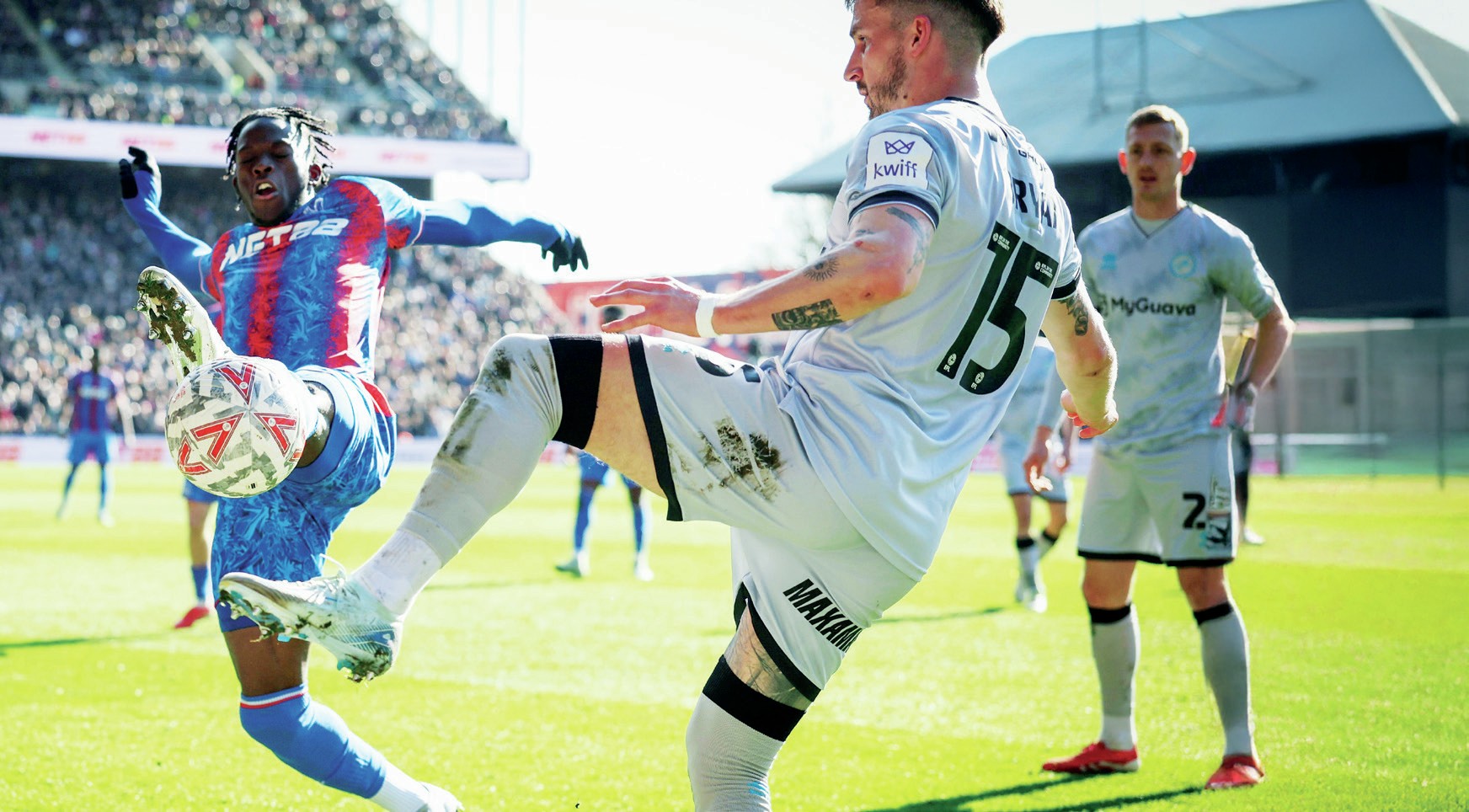
A changing way fans engage with the game
Football fandom in the United Kingdom has always been rooted in debate, prediction, and shared opinion. From pub conversations to radio phone-ins and online forums, supporters have long discussed likely results across an entire weekend of fixtures. In recent years, however, the way fans approach these conversations has evolved, shaped by access to data, digital platforms, and the growing prominence of multi-match predictions.
This shift has influenced how supporters consume football, analyze performance, and emotionally invest in matches beyond their own club. Coverage from outlets such as Focus Gaming News has highlighted how this trend reflects broader changes in sports engagement rather than simply betting behaviour.
Following more than one match
Traditionally, supporters focused primarily on their own team’s result. Today, fans are increasingly engaged with multiple fixtures across the Premier League and European competitions. This broader focus encourages deeper attention to league-wide narratives such as title races, top-four battles, and relegation fights.
Multi-match predictions often emerge naturally from this environment. Fans assess form, injuries, tactical matchups, and scheduling challenges across several games at once. Whether discussed casually or tracked more closely, these predictions encourage a more holistic view of the football calendar.
Data-driven fandom
The modern supporter has access to more information than ever before. Advanced statistics, expected goals models, squad rotation analysis, and injury reports are readily available across media platforms. This data has transformed fan discussions from instinct-driven opinions to more structured analysis.
When supporters evaluate several matches simultaneously, probability and context play a greater role. A team’s pressing intensity, defensive depth, or recent travel schedule can influence expectations across multiple fixtures. This analytical mindset mirrors professional punditry and has become a defining feature of contemporary football fandom.
Emotional investment and narrative building
Engaging with multiple match outcomes also affects how fans experience the weekend. Supporters may find themselves watching neutral games with heightened interest, tracking results that impact league standings or rival fortunes. This layered engagement adds complexity to the emotional rhythm of a matchday.
At the same time, it reinforces football’s narrative-driven nature. Each result feeds into a broader story, shaping conversations throughout the week. Multi-match predictions become part of this storytelling, offering a framework through which fans interpret success, disappointment, and momentum.
The role of digital platforms and communities
Online communities play a central role in amplifying this behaviour. Fan sites, social media platforms, and podcasts provide spaces where supporters compare predictions, challenge assumptions, and refine their views.
Within these communities, conversations about multiple fixtures are rarely isolated. They intersect with tactical analysis, squad evaluation, and long-term expectations for clubs and managers. This interconnected discussion reflects a more sophisticated and engaged fan base.
Understanding risk and expectation
While multi-match predictions can enhance engagement, they also highlight the inherent unpredictability of football. Injuries, refereeing decisions, and late goals regularly disrupt the most carefully reasoned expectations. Recognising this uncertainty is part of mature fandom.
In this context, discussions around formats such as parlays in betting often surface, not as promotional tools but as examples of how probability and risk are misunderstood. Understanding why combining outcomes increases uncertainty helps fans maintain realistic expectations about football’s volatility.
Responsible perspectives in football culture
UK football culture increasingly emphasizes responsible engagement with prediction-driven content. Media outlets and supporter platforms alike encourage discussion without overstating certainty or outcome control. This balanced approach ensures that analysis remains a source of enjoyment rather than frustration.
As noted by Focus Gaming News, the broader sports industry has placed greater emphasis on transparency and education, particularly as data and prediction tools become more accessible to the public.
Multi-match predictions are now an established part of modern football fandom in the UK. They reflect a shift toward league-wide awareness, analytical thinking, and shared digital experiences. For supporters, this evolution deepens engagement while reinforcing the importance of context, probability, and humility in the face of football’s unpredictability.
As fan platforms continue to grow and diversify, the challenge will be maintaining thoughtful, responsible discussion that enhances the communal joy of following the game—week after week, fixture after fixture.






Follow us
Read our latest news on any of these social networks!


Tackle the News
- Sign Up for our weekly Football League Newsletter Today!