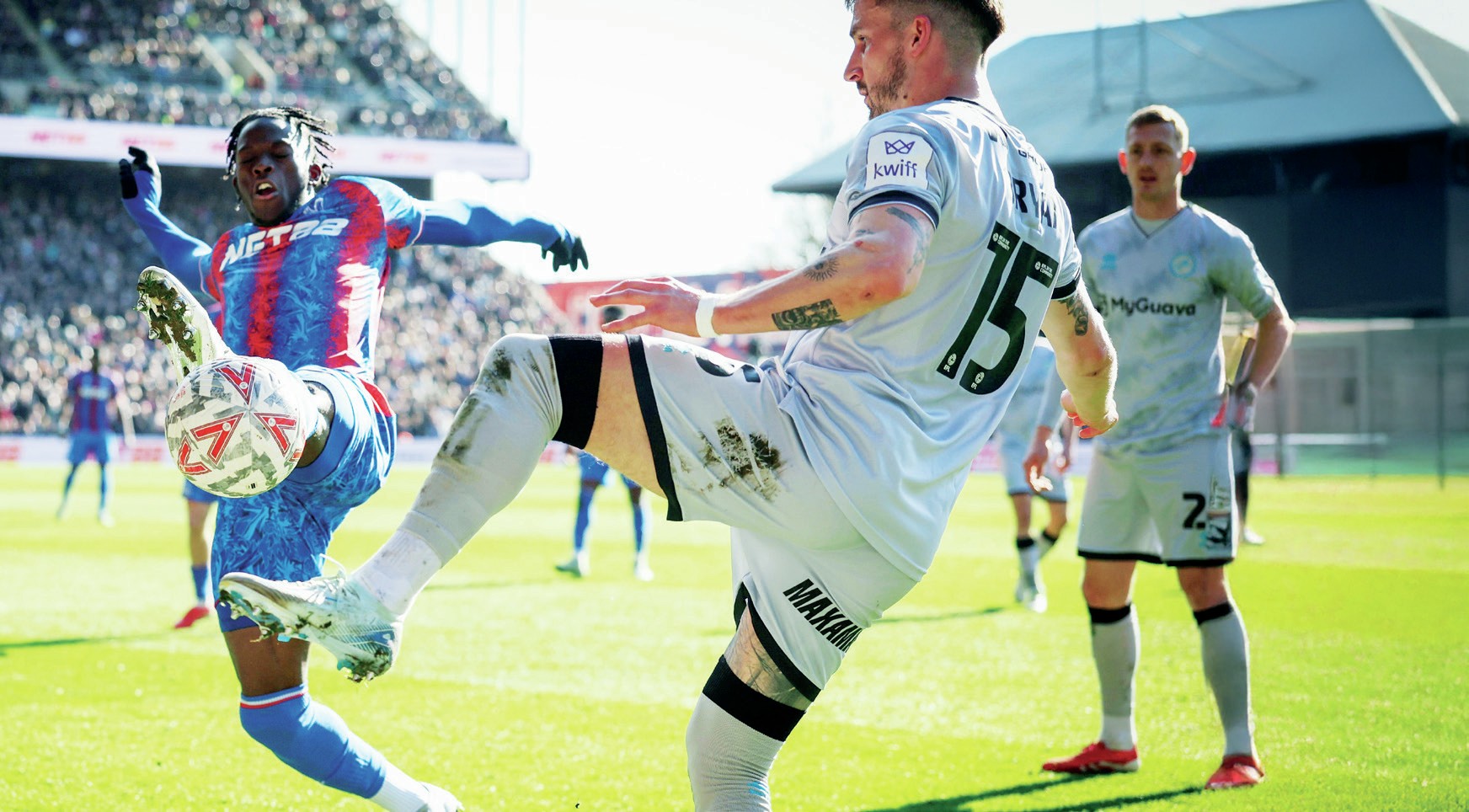
A mid-season managerial change in the EFL rarely arrives quietly. It follows a run of poor results, growing pressure from supporters, and tense boardroom discussions. One week a manager faces questions about tactics and selection. The next week the club announces a departure and a new appointment. Training schedules shift. The dressing room resets.
In modern football culture, where analysis moves quickly across digital platforms and discussions jump from match statistics to other competitive spaces such as casino bossy, attention rarely stays still. Yet few topics in the English Football League provoke as much debate as replacing a manager halfway through a campaign.
How Mid-Season Manager Changes Impact Team Performance in the EFL does not produce a single answer. Some clubs experience immediate improvement. Others struggle to adjust. Performance can rise sharply, level out, or decline further. The outcome depends on timing, squad structure, psychological response, and long-term planning.
The change may feel dramatic. The results often follow patterns.
The context of the EFL calendar
The Championship, League One, and League Two operate on demanding schedules. Clubs play long seasons with heavy fixture lists. Pressure builds quickly, especially when promotion or relegation enters the conversation.
A poor run of five or six matches can shift league position significantly. Owners and directors may react decisively when form drops.
Mid-season changes typically occur for several reasons:
- Sustained poor results
- Dressing room tension
- Tactical stagnation
- External pressure from supporters
- Long-term strategic reset
Clubs rarely admit panic, but timing often reflects urgency.
The immediate “new manager effect”
Many teams show short-term improvement after appointing a new manager. Analysts often call this the “new manager bounce.” The phrase suggests momentum, yet the mechanism feels simpler.
Players respond to change. Selection decisions reset expectations. Training intensity increases. Individuals who struggled under the previous regime regain motivation.
Short-term impact often includes:
- Higher pressing intensity
- Simplified tactical instructions
- Clearer defensive organisation
- Renewed competition for places
These adjustments can produce rapid results.
However, short-term improvement does not guarantee long-term consistency.
Psychological reset inside the dressing room
A managerial change alters internal dynamics immediately. Players who rarely featured under the previous manager may feel re-energised. Squad hierarchies loosen.
Uncertainty can drive performance. Individuals attempt to impress. Training sessions sharpen. Standards rise temporarily.
At the same time, some players experience instability. Tactical familiarity disappears. New expectations create stress.
How Mid-Season Manager Changes Impact Team Performance in the EFL often hinges on how quickly players adapt psychologically.
Motivation increases first. Structural clarity follows later.
Tactical simplification versus structural overhaul
Mid-season appointments rarely allow extensive tactical redesign. Managers inherit squads built for previous systems.
Short-term survival strategies often involve simplification:
- Clear defensive shape
- Direct transitions
- Emphasis on physical output
- Reduced positional complexity
Such approaches stabilise results quickly.
Long-term changes require transfer windows and pre-season preparation. Without those elements, managers must adapt systems to existing strengths.
Clubs that expect immediate stylistic transformation risk disappointment.
Statistical trends before and after change
Performance patterns following managerial changes vary, but general observations emerge across EFL seasons.
A simplified comparison might look like this:
| Phase | Average Points Per Game | Tactical Stability | Squad Morale |
| Before change | Declining | Inconsistent | Low confidence |
| First 5 games after change | Slight increase | Basic structure | Heightened energy |
| After 10–15 games | Stabilises | More defined | Balanced |
The early rise often results from energy and clarity. Sustained improvement depends on tactical coherence and squad depth.
Recruitment and January influence
Mid-season appointments frequently coincide with the January transfer window. New managers often request specific profiles.
Recruitment decisions during this period influence medium-term performance.
Clubs may seek:
- Experienced defenders for stability
- Physical midfielders for balance
- Strikers suited to direct systems
- Leaders to reset dressing room culture
Effective January integration strengthens the impact of managerial change. Poor recruitment can undermine it.
Timing matters. If a manager arrives too late in the window, squad reshaping becomes limited.
Relegation battles and urgency
Clubs facing relegation often turn to managerial change as a last attempt to alter trajectory.
In these situations, short-term pragmatism dominates.
Managers prioritise:
- Defensive solidity
- Reduced risk-taking
- Set-piece efficiency
- Psychological resilience
Performance often improves slightly. Survival margins in the EFL remain narrow, and even minor point gains can prove decisive.
However, panic appointments without long-term planning can produce instability beyond the current season.
Promotion races and expectation
At the other end of the table, clubs chasing promotion may also change managers mid-season.
In these cases, boards expect incremental improvement rather than recovery from crisis.
Pressure intensifies because:
- Squads often contain promotion-calibre players
- Supporters demand immediate momentum
- Financial stakes increase
Mid-season changes in promotion contexts carry higher scrutiny. Results must justify disruption.
How Mid-Season Manager Changes Impact Team Performance in the EFL therefore varies according to table position.
Squad continuity and leadership groups
Successful transitions often rely on experienced players. Leadership inside the dressing room stabilises shifts in coaching style.
Strong internal leadership can:
- Reinforce training standards
- Translate tactical instructions
- Maintain focus during uncertainty
Where leadership lacks cohesion, managerial change may deepen confusion.
The impact extends beyond the manager alone. It reflects squad maturity.
Fan reaction and stadium atmosphere
Supporters influence short-term momentum. A managerial appointment can reset the relationship between club and fanbase.
Early home fixtures under new management often bring louder backing. Energy lifts. Players respond.
Sustained performance determines whether optimism lasts.
Fan perception shapes external pressure. Managers who fail to generate early momentum face intensified scrutiny.
Long-term consequences
Not all mid-season changes aim for short-term survival. Some clubs use managerial shifts to realign philosophy.
Boards may seek:
- Youth development focus
- Data-driven recruitment alignment
- Consistent tactical identity
Such structural resets rarely deliver instant results. They demand patience.
Clubs that balance immediate performance with long-term strategy tend to manage transitions more effectively.
Financial considerations
Managerial changes carry financial cost. Contract settlements, compensation, and staff restructuring affect budgets.
Clubs must weigh potential gains against expense.
Frequent changes can destabilise long-term planning. Stability often correlates with sustainable growth, though poor performance forces intervention.
Decision-making reflects risk tolerance as much as tactical reasoning.
Case pattern summary
Mid-season managerial change often follows this sequence:
- Decline in results
- Board intervention
- Initial uplift in energy
- Tactical consolidation
- Longer-term evaluation
Not every club completes this cycle smoothly. External factors such as injuries and fixture difficulty influence outcomes.
The limits of change
A new manager cannot immediately alter squad composition, fitness base, or structural weaknesses.
Clubs sometimes overestimate the speed of transformation.
If underlying issues include:
- Poor recruitment
- Financial instability
- Injuries in key positions
then managerial change alone may not reverse trajectory.
Performance improvement depends on broader context.
Conclusion
How Mid-Season Manager Changes Impact Team Performance in the EFL reflects both psychology and structure. Immediate improvement often stems from renewed energy and simplified tactics. Sustained progress requires alignment between manager, squad, recruitment strategy, and club leadership.
Some clubs thrive after decisive intervention. Others cycle through instability.
The EFL’s demanding calendar magnifies every decision. A managerial change resets momentum, but it does not rewrite fundamentals overnight.
In the end, the impact depends less on the announcement itself and more on what follows in training sessions, tactical adjustments, recruitment choices, and dressing room response.
The change marks a beginning. Results determine its legacy.






Follow us
Read our latest news on any of these social networks!


Tackle the News
- Sign Up for our weekly Football League Newsletter Today!