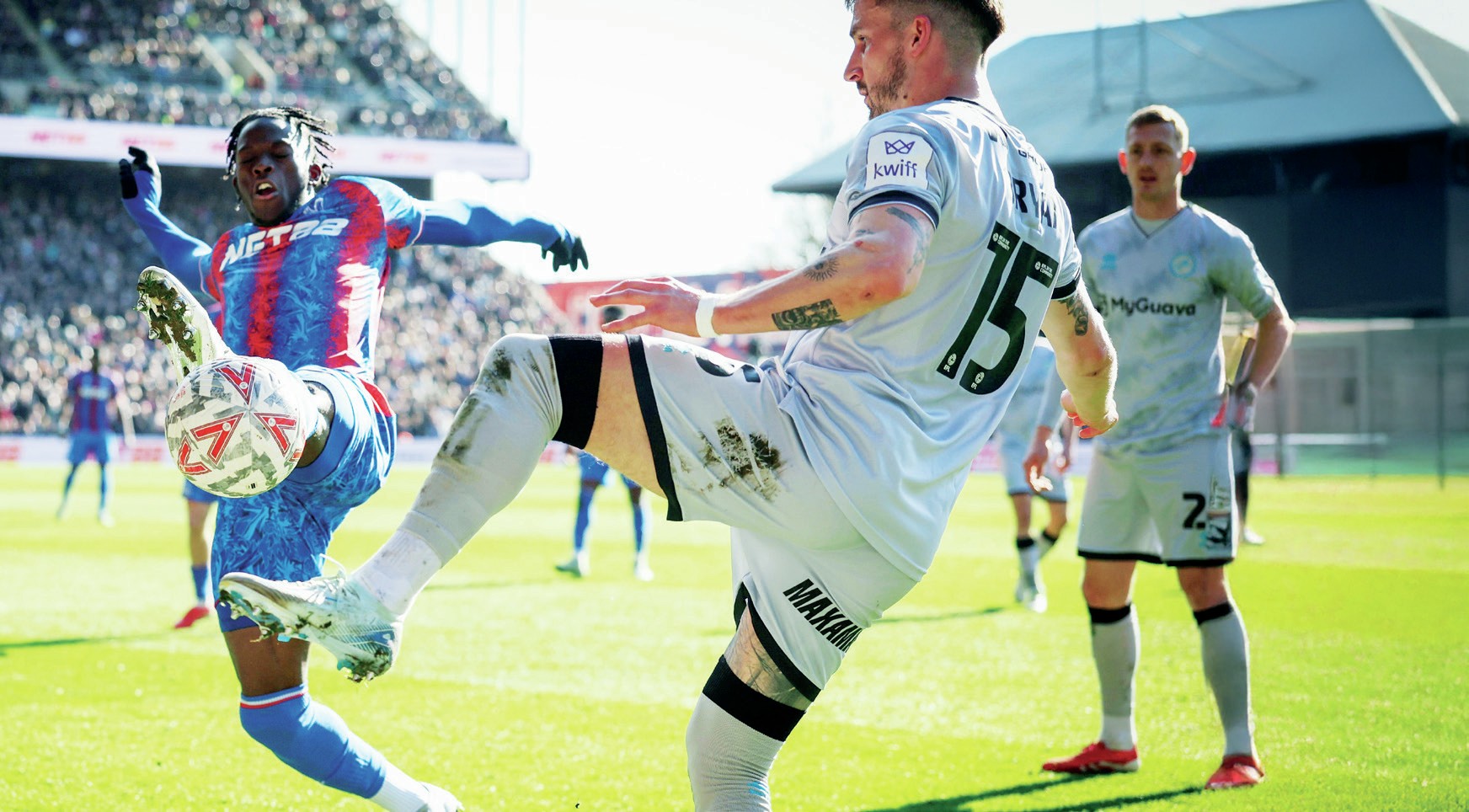
The digital revolution has fundamentally transformed how football clubs connect with their supporters, yet an unexpected phenomenon has emerged from the lower tiers of English football. Non-league clubs, operating with minimal budgets and volunteer staff, are outperforming their Premier League counterparts in social media engagement rates, creating authentic connections that multimillion-pound marketing departments struggle to replicate. This remarkable achievement challenges conventional wisdom about resource allocation and digital strategy in professional sports.
The David and Goliath of Digital Engagement
Traditional metrics suggest Premier League clubs dominate social media through sheer follower numbers, but engagement rates tell a different story. Non-league clubs consistently achieve interaction rates exceeding fifteen percent, while top-tier clubs rarely surpass two percent despite their massive followings. This disparity reveals fundamental differences in approach, authenticity, and community connection that transcend financial resources.
Dulwich Hamlet FC exemplifies this phenomenon perfectly. Their Twitter presence combines match updates with genuinely humorous content, behind-the-scenes glimpses, and direct fan interactions that create a sense of belonging. When their social media manager responds personally to supporters’ messages, it builds loyalty that expensive advertising campaigns cannot purchase. This personal touch extends beyond mere customer service; it represents a philosophical approach to community building that larger clubs have abandoned in pursuit of global markets.
Authenticity Over Algorithm
Non-league clubs succeed because they prioritize genuine storytelling over algorithmic optimization. Their content reflects real experiences: groundsmen battling waterlogged pitches, volunteers painting stadium walls, and players juggling day jobs with evening training sessions. These narratives resonate powerfully with audiences seeking authentic connections in an increasingly commercialized sport.
The financial constraints that seemingly disadvantage non-league clubs actually foster creativity and innovation. Without budgets for professional photographers or videographers, these clubs rely on smartphones and raw enthusiasm, producing content that feels immediate and relatable. Recent studies on digital engagement patterns, as outlined in comprehensive federal guidelines, demonstrate that authenticity drives engagement more effectively than production value, a principle non-league clubs intuitively understand.
Community-First Strategy
Professional clubs often approach social media as broadcasting platforms, pushing content at passive audiences. Non-league clubs invert this model, creating dialogue rather than monologue. They ask supporters for team selection advice, crowdsource matchday photography, and celebrate fan achievements alongside sporting victories. This participatory approach transforms followers into active community members.
The success extends beyond traditional platforms. Non-league clubs pioneered TikTok adoption within football, recognizing its potential while Premier League marketing departments remained skeptical. Their willingness to experiment, fail, and adapt quickly gives them competitive advantages that bureaucratic structures cannot match. When Hashtag United livestreamed matches before mainstream adoption, they demonstrated how innovation emerges from necessity rather than resources.
Lessons for Elite Football
Premier League clubs must recognize that social media excellence requires more than financial investment. The most successful non-league strategies emphasize human connection over corporate messaging, spontaneity over scheduled content, and community engagement over broadcast metrics. These principles challenge traditional marketing orthodoxies but deliver measurable results.
Interestingly, the parallels between non-league social media success and user engagement in other digital sectors, such as the casino industry’s community-building strategies, highlight universal principles of digital connection. Both sectors demonstrate that authentic interaction trumps polished presentation when building loyal online communities.
Elite clubs should consider decentralizing their social media operations, empowering individual departments and personalities to communicate directly with supporters. The sanitized, committee-approved content that characterizes most professional club communications lacks the spontaneity and personality that drives engagement. By studying non-league approaches, major clubs could revolutionize their digital strategies.
The Future of Football Communication
As social media platforms evolve and audience expectations shift, the lessons from non-league success become increasingly relevant. The clubs thriving online understand that social media represents relationship-building opportunities, not just marketing channels. Their success proves that creativity, authenticity, and genuine community engagement matter more than budgets or follower counts.
Professional football must acknowledge this paradigm shift. The non-league clubs winning social media battles demonstrate that digital excellence emerges from understanding human psychology rather than mastering technology. Their achievements offer blueprints for authentic engagement that transcends football, providing insights valuable across all sectors seeking meaningful digital connections. The revolution starts not in boardrooms but in communities, where passion meets purpose.


The League Paper
MILLAR AIMS FOR REPEAT MISSION

The League Paper
O’S GIVE DANE HIS CHANCE TO BE GREAT…

The League Paper
SILKY SWANS GIVE LONG-SUFERING FANS REASON TO CHEER



Follow us
Read our latest news on any of these social networks!


Tackle the News
- Sign Up for our weekly Football League Newsletter Today!