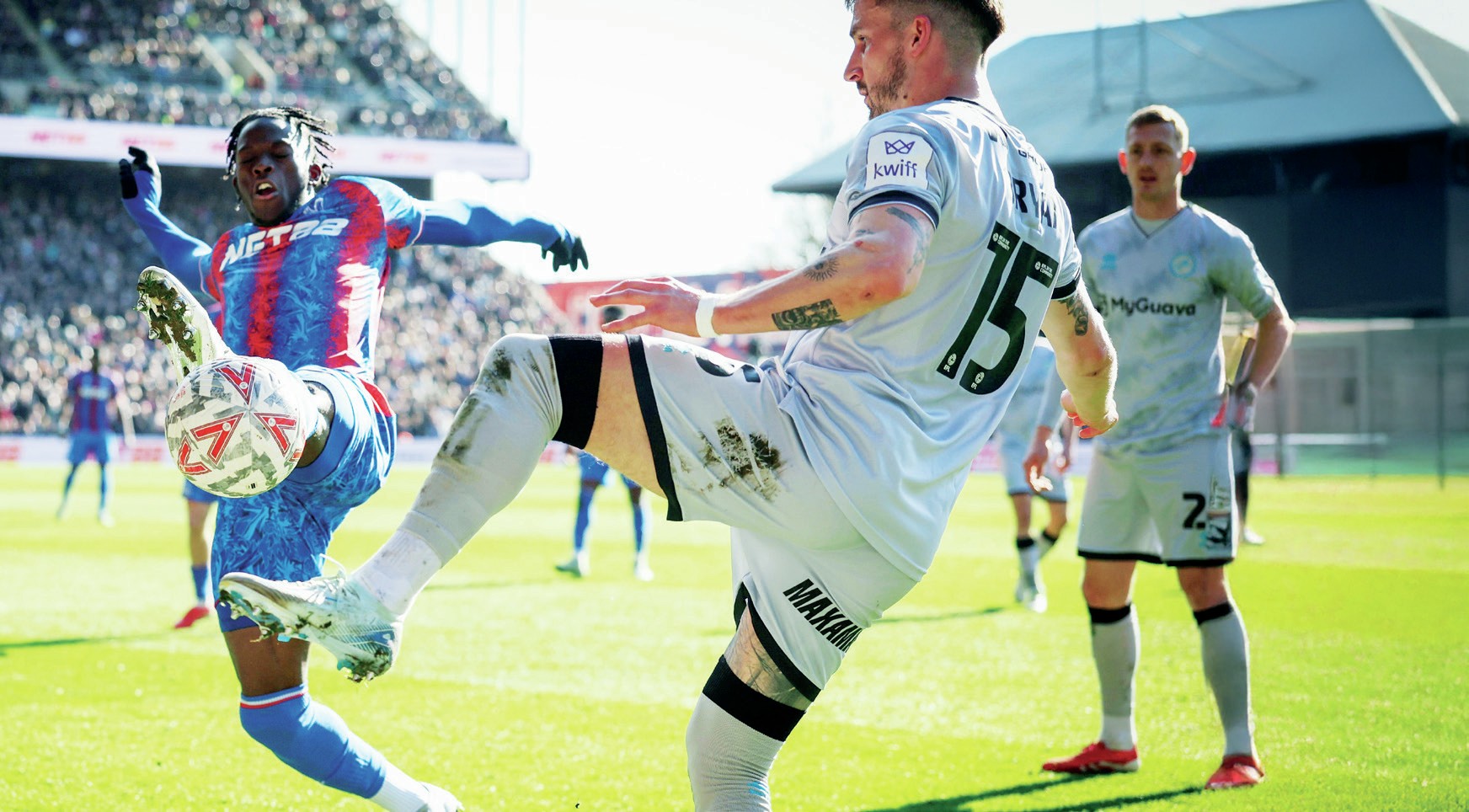
The UEFA Champions League has been the pinnacle of club football since its inception, and here the introduction of a new strategy is coupled with the highest performance under the brightest light. Coaches today are not merely operating players; they are designing systems that change the rhythm, turn roles inside out, and create situations where roles are redefined. Strategic nuances are becoming increasingly critical as the 2025/26 campaign runs its course.
In the rhythmic precision of high pressing to the revitalization of full-back dynamism and the revival of play centered on control, the biggest nights in Europe are both tactically interesting and storytelling. To fans and analysts, and to everyone, such trends matter in how matches play out as they do, and to those who participate in the competition through markets and bet Champions League games, they mirror these changing patterns as odds shift in response to tactical influences.
High-Pressing Variations – Pressing with Purpose
Sophistication of high pressing is one of the most characteristic tactical trends in the Champions League. The days when pressing was as simple as closing down the ball carrier are gone. Elite sides now have a set of triggers, which lead to press sequences depending on the opponent’s shape, pass angle, and transitional situations. The purpose of high pressing is not always to defeat opponents but to direct them into a certain direction where gains will be the most beneficial.
Teams such as Bayern Munich and Paris Saint-Germain have recorded high possession gains in advanced zones directly linked to anticipated goals (xG) through turnovers. The effect of early pressing is that the corner total is often greater, and the volume of shots increases during the first third of ball possession, which can affect both the control of matches and their strategic flexibility.
This delicate style ensures that teams do not press in isolation too often, but when they do, the midfield and forward lines are coordinated to close the passing lanes and create mistakes.
High pressing has also shifted towards a counter-deep build-up tactic. When opponents are trying to methodically build up behind the back, they press up their units and tend to move out when the ball is in particular areas or when the defensive lines are thin. This minimizes the risk of horizontal switching and discourages teams that attempt to create rhythm without vertical purpose. Coordination of pressing, therefore, determines not only recovery points but also the match tempo in general.
Dynamic Full-Back Roles – From Width Providers to Midfield Architects
The full-backs have experienced a resurgence in the elite nights in Europe. Modern full-backs are increasingly appearing as multifunctional players, being defensive at one moment, then central midfielders the next. This development has changed both the in-possession and out-of-possession shapes of teams.
Inverted full-backs have also been very common. Rather than merely moving forward in a straight line, these players move into the centre of the field during the build-up, thereby creating numerical advantages. This makes the field look like a box, with overloads being used to regulate possession, move the ball and even disrupt defensive lines. This type of tactical use compels the defending sides to consider more creators in the midfield as well, restricting their option to press effectively without leaving open channels on the sides.
On the other hand, some teams use wide full-backs to lengthen the defensive line. In that they allow wingers or central midfielders to move into pockets between the lines. Such adaptability in full-back usage adds unpredictable nuances to attack patterns and strengthens the transitional threat.
Defensive responsibility is also changed in full-back dynamism. The push of full-backs into the midfield will be met by the drift of centre-backs to the wider positions, or by the drop of defensive midfielders to the deeper positions, forming new structural formations in which both genders can take advantage on the biggest stage. The dual aesthetic of the full-back position that offers width and compact support in the midfield, no matter the exact form of implementation, has changed the tactical approach in various situations in a match.
The Resurgence of Control-Focused Midfield Play
Few things get as much attention as pressing and full-back innovation, but the architectural core of the Champions League strategy lies in midfield. The modern-day triumph is increasingly about teams that possess defensive coverage, playmaking, and tempo control. The renaissance of the control-oriented middle field play takes central areas back as command centers.
Deep-lying playmakers now often form the midfield unit, setting the rhythm and controlling the transitions between defensive solidity and offensive impetus. These are the players who are good at progressive passing and positional discipline.
Teams that maintain possession at high passing accuracy (usually above 90 percent in measured sequences) reduce the risk and force opponents to chase the ball and space. Possession in control not only creates platform stability but also burns out pressing units, providing chances in the late game.
Midfield control, however, does not imply possession without movement. Proper units use a mix of retention and vertical pass sequences, breaking the opposition’s lines with precise passes. This combination of patience and incisiveness ensures that team control can slow down to take the pressure off or speed up to take advantage of gaps.
How Tactical Choices Shape Match Rhythm
In instances where the press triggers are successful, a team will establish high-tempo periods where several shots and switches occur in seconds after resting. These explosions are compared to extended control phases during which the possession is recycled and spaces are systematically located. Coaches who master both modalities can switch momentum and destabilize the opponent.
The interaction among pressing intensity, full-back position, and midfield control determines whether the match is a hectic sprint or a tactical chess game. High pressure creates a sense of urgency, leading to expedited decision-making and possible turnovers in perilous situations. Dynamic full-backs stretch the pitch and generate flotation points, which create uncertainty. Meanwhile, control-oriented play in the midfield also slows opponents’ resistance and creates high-value scoring opportunities through composed construction.
This is a tactical dance that makes the Champions League nights so gripping: it is a game of energy and rational control, change and organization.
The Narrative of Europe’s Big Nights
The Champions League of modern times is not so much about the schemas as about the flexible systems. Coaches adjust according to their opponent’s tendencies, the match situation, and the personnel at hand. As a matter of fact, tactical trends are dynamic, influenced by data insights, player versatility, and competitive imperatives.
Dynamic full-backs, high pressing, and control-oriented play between the midfield collide to form a competitive tapestry in which each strategic decision dictates the rhythm and the outcome of the match. Is it persistently pursued by teams which seek the ball high up the pitch, invert full-backs to subdue the central passages, or use midfield maestros to push the pace, these trends explain why Champions League nights are inimitable only.
With thin margins and tactical reactions, the name of the game in a contest where success has been determined by these trends, a knowledge of them makes us appreciate all the more the beauty and complexity of the biggest football nights in Europe.




Follow us
Read our latest news on any of these social networks!


Tackle the News
- Sign Up for our weekly Football League Newsletter Today!